
Xoilac nổi tiếng là một trong những địa chỉ cung cấp các trận bóng đá đẳng cấp từ tất cả các giải đấu trên thế giới. Nhằm kiến tạo nên một sân chơi lý tưởng cho những người yêu thích môn thể thao vua thì xoilac đã cập nhật rất nhiều tính năng hữu ích. Hãy cùng chúng tôi tìm hiểu xem tính năng độc đáo mà xoilac mang đến là gì nhé.

Tổng hợp những tính năng đặc sắc của trang bóng đá trực tuyến xoilac
Với những ai thường xuyên truy cập vào xoilac thì chắc chắn rằng bạn sẽ luôn cảm thấy hài lòng với những trận bóng được phát sóng với chất lượng đỉnh cao. Không những vậy, khách hàng còn có thể tận dụng những tính năng hiện đại của xoilac để đáp ứng được nhu cầu giải trí của mình.
Tham khảo lịch thi đấu bóng đá tại xoilac
Nhằm giúp cho khán giả không bỏ lỡ bất cứ một trận đấu nào thì xoilac đã cập nhật đầy đủ lịch thi đấu từ mọi giải đấu đang và sắp được tổ chức trên khắp hành tin như: World cup, Euro, Ngoại hạng Anh, La liga, Europa League, Serie A, V League, Seagame, AFF Cup…
Trong lịch thi đấu này sẽ cung cấp chi tiết những thông tin như: thời gian thi đấu, đội bóng, sân vận động… Nhờ đó mà các bạn có thể chủ động sắp xếp thời gian làm việc, nghỉ ngơi để tập trung theo dõi các trận đấu.
Tham gia thảo luận bóng đá sôi động tại xoilac
Như đã nhắc đến thì dịch vụ chính mà xoilac mang đến đó là phát sóng trực tiếp các trận bóng đá. Nhưng việc xem bóng đá tại nhà trên tivi, điện thoại… một mình đôi khi sẽ khiến cho nhiều người cảm thấy buồn chán, không có không khí.
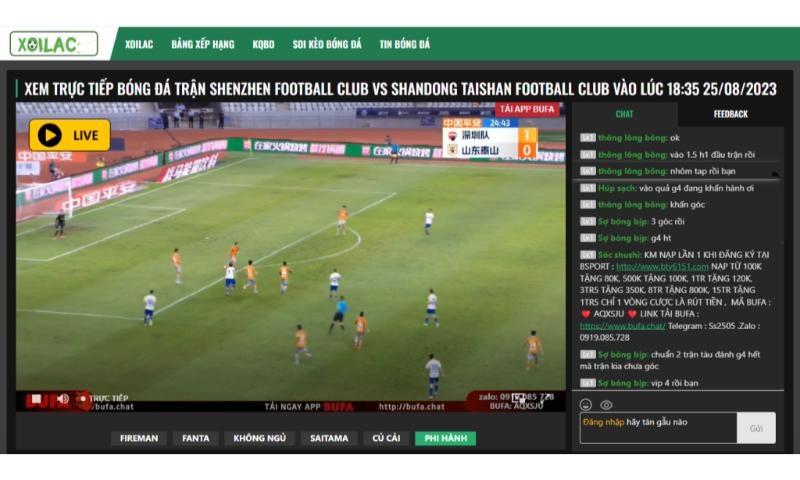
Hiểu được điều này thì xoilac đã thiết kế tính năng chat trực tuyến ngay bên cạnh khung phát sóng bóng đá. Tính năng này cho phép anh em có thể giao lưu, nói chuyện và thảo luận với những người cùng xem với mình và cả bình luận viên của xoilac.
Chắc chắn rằng khi có thể nói chuyện, chia sẻ ý kiến, nhận định, dự đoán trận đấu với nhiều người sẽ giúp không khí thêm phần vui vẻ, sôi động hơn.
Xoilac cập nhật tin tức bóng đá nhanh chóng, chính xác
Ngoài những tính năng trên thì các bạn khi truy cập vào xoilac còn có thể nhanh chóng nắm bắt được những tin tức, sự kiện bóng đá hot của làng túc cầu trên thế giới.
Cụ thể là anh em có thể đọc được những thông tin như: hợp đồng chuyển nhượng, sức khỏe, đời sống riêng tư… của các đội bóng, cầu thủ, huấn luyện viên từ các nguồn uy tín. Từ đây thì những người chơi cá độ bóng đá có thể phân tích để tiến hành soi kèo cá cược được chính xác hơn.
Xoilac cung cấp highlight nhanh chóng
Highlight này chính là những video ngắn ghi lại những diễn biến quan trọng, nổi bật trong trận bóng. Chẳng hạn như là các pha ghi bàn, pha chuyền bóng, pha cản phá, đá phạt… đều được nhân viên tổng hợp lại đầy đủ.

Ngay khi trận bóng vừa kết thúc thì nhân viên của xoilac sẽ ngay lập tức tổng hợp các video highlight này và đăng lên chuyên mục để phục vụ khán giả. Dựa vào tính năng này thì anh em dù không xem hết 90 phút trận bóng nhưng vẫn có thể nắm được diễn biến của trận đấu một cách đầy đủ nhất.
Xoilac cho phép người dùng điều chỉnh chế độ xem
Một trong những tính năng cực kỳ tiện lợi mà không phải website bóng đá nào cũng có thể cung cấp như xoilac đó là kênh cho phép anh em có thể điều chỉnh video trực tiếp theo ý muốn của mình.
Cụ thể là các bạn có thể điều chỉnh những tính năng như: Kích cỡ màn hình, tốc độ phát (Đối với highlight), độ phân giải hình ảnh, âm lượng, độ sáng… sao cho hợp ý thích của bản thân, mang lại sự hài lòng cao nhất.
Đồng thời, điều này cũng giúp cho khán giả có thể điều chỉnh được video sao cho phù hợp với cấu hình của thiết bị, giúp việc xem trực tiếp bóng đá được mượt mà, suôn sẻ hơn, ít bị nhòe hình hay giật lag.
Cá cược hiệu quả cùng kênh bóng đá xoilac
Đây cũng là một trong những dịch vụ, tính năng hấp dẫn mà xoilac mở ra để phục vụ cho những ai tham gia cá độ bóng đá. Cụ thể kênh đã dành thời gian tìm hiểu, thẩm định những nhà cái trực tuyến uy tín để giới thiệu cho các bet thủ.

Như vậy thì các bet thủ không cần mất công tìm sân chơi đáng tin cậy nữa mà có thể thấy được tất cả tại xoilac, tiết kiệm được nhiều thời gian, công sức.
Không những vậy, xoilac còn thường xuyên cập nhật chi tiết các bảng tỷ lệ kèo và thông tin soi kèo đầy đủ để người chơi tham khảo và đưa ra quyết định đặt cược đúng đắn hơn.
Anh em hãy yên tâm là những nhận định kèo này được đưa ra bởi các chuyên gia cá cược lâu năm nên độ chính xác tương đối cao, hoàn toàn tin tưởng được.
Kết luận
Bên trên là những tính năng hiện đại, đặc sắc nhất mà những người yêu thể thao có thể trải nghiệm tại kênh bóng đá xoilac. Tin chắc rằng với những tính năng này, các bạn sẽ có thể hòa mình vào một không gian giải trí sôi động và thỏa mãn được tình yêu cháy bỏng dành cho bóng đá.